philosophical fiction
-

The wool was a faded, exhausted earth gray, bleached in patches to a murky gray-green by sun and woodsmoke and too many downpours. Up close, the weave was coarse and pilled, dotted with tiny knots where the fibers had bunched like old scar tissue. Pale salt-rings bloomed under the arms and traced a long, ragged…
-
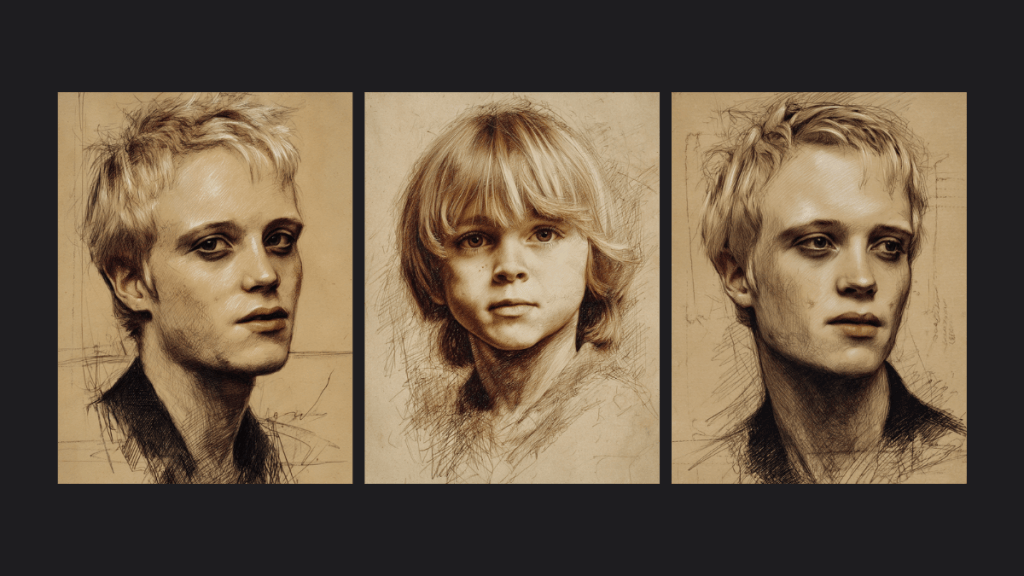
The newcomer crossed the threshold like a man who’d been entrusted with the Magna Carta balanced on a butter knife: crisp, deliberate, each footfall a boot-meets-ancient-floorboard decree that split the difference between a parade-ground march and the hushed glide of a maître d’ who’d seen things. His tray rode high on his left palm, elbow…
-
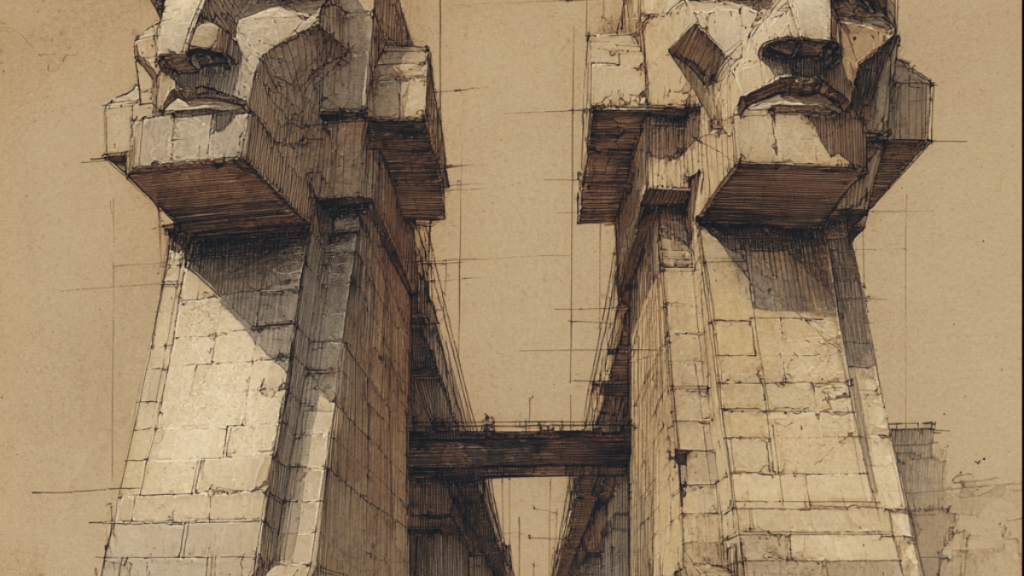
Imagine instead a face that didn’t recoil in shock but mocked the sourness even as it suffered it. The man bit down, and instead of a flinch of pure surprise, there was a slow, almost theatrical tightening—a deliberate, acid-tinged performance. One corner of his mouth twitching up into a crooked, one-sided smirk, while the other…
-
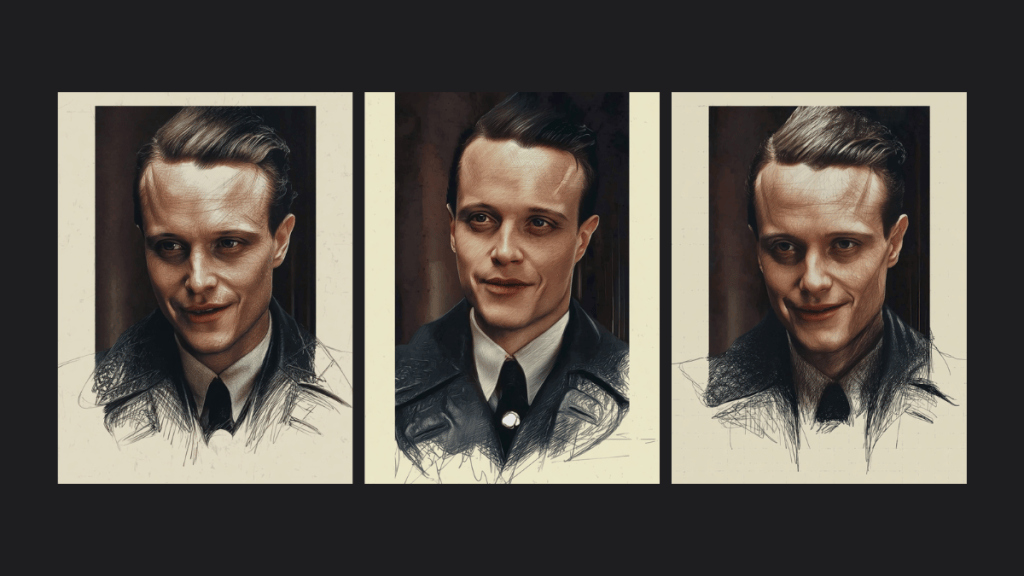
The illusion of invulnerability died at 4:15 in the morning, not with a declaration of war but with the shriek of descending flares and the thunder of naval guns that’d crossed twelve thousand miles of ocean to deliver their payload onto American sand. For fifty-five years, the United States had believed in its oceans. The…
-
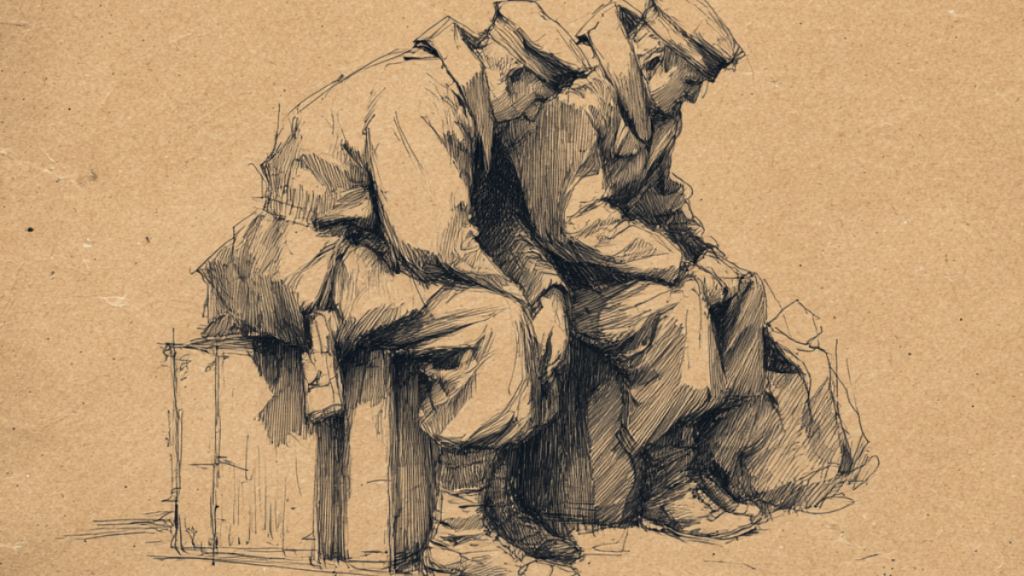
The black motorcar that carried Winston Spencer Churchill from Admiralty House to Buckingham Palace on the evening of May 10, 1940, passed through a London transformed—not by bombs, not yet, but by the more insidious architecture of dread. Sandbags were stacked around government buildings like fortifications from a previous century. Barrage balloons floated in the…
-
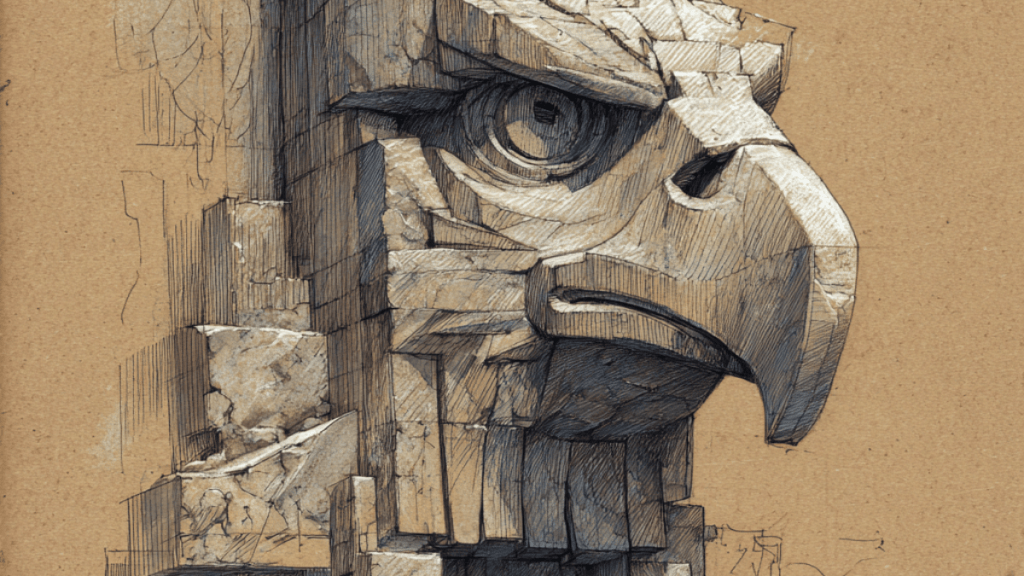
The back of the W138 was a leather-lined pocket of another century, a dim chapel of tobacco and diesel. Zelda sat low, sinking into the wide bench seat as if into a Chesterfield abandoned in a gentleman’s club. The leather wasn’t soft—it was firm, cool, and cross-hatched with a lifetime of tiny cracks, smelling faintly…
-

Heat had a texture in the garage—a damp, heavy weave that clung to her arms and face. Turpentine and linseed oil hung in the air so thick that breathing and not-breathing had flattened into the same dull ache. At her feet, the bottles: mineral spirits, acetone. The hotplate’s cord curled under the workbench, and the…
-

Charlotte stood at the threshold of the garage bay, her left hand resting on the metal rail of the door track, which was cool to the touch and faintly greased in a way that reminded her of machines that still worked. The belt of her painting trousers was cinched to the tightest hole, a hole…
-
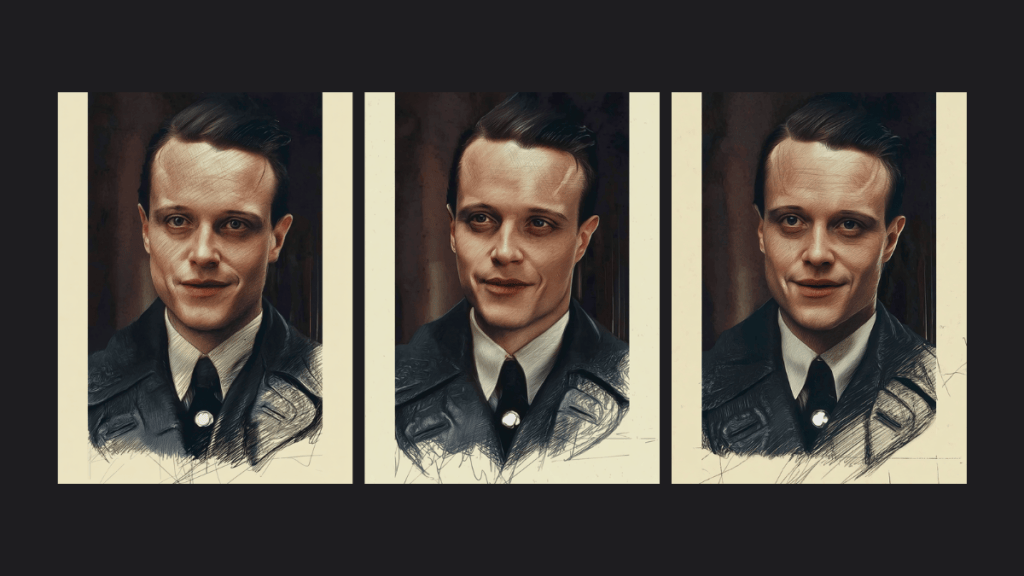
The horn didn’t cut the silence so much as it shouldered it aside, the way a door found a shoulder when the person behind it had stopped bothering with the handle. It came from somewhere north, low and flat, a single long blast that set the one good pane in the window to trembling, a…
-

The night the harbor burned, Raymond Flynn sued for peace. Over the radio, his voice cracked and wobbled and finally broke—not with emotion, the broadcast was too staticky for that, but with the particular failure of a man who’d run out of options and also, apparently, out of words. He surrendered the city at 11:47…
